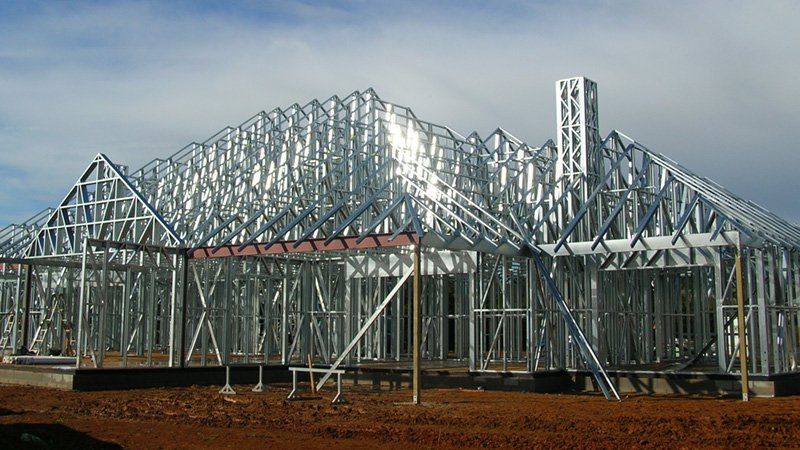
The steel framing system is one of the most important structural solutions in modern construction, widely used in residential, commercial, industrial, and infrastructure projects. Known for its strength, durability, precision, and adaptability, steel framing has transformed the way buildings are designed and constructed. As demands for faster construction, sustainable materials, and flexible architectural solutions increase, steel framing systems continue to gain prominence across the global construction industry.
Introduction to Steel Framing Systems
A steel framing system is a structural method that uses steel members—such as columns, beams, studs, and joists—to form the load-bearing framework of a building. This framework supports floors, roofs, walls, and cladding while safely transferring loads to the foundation. Unlike traditional masonry or concrete load-bearing systems, steel framing relies on a skeletal structure, allowing greater freedom in layout and design.
Steel framing systems can broadly be classified into two categories: structural steel framing, commonly used in high-rise and large-scale buildings, and light gauge steel framing (LGSF), often used in residential and low- to mid-rise construction. Both systems share common advantages, including high strength-to-weight ratio and precision manufacturing.
Types of Steel Framing Systems
Structural Steel Framing
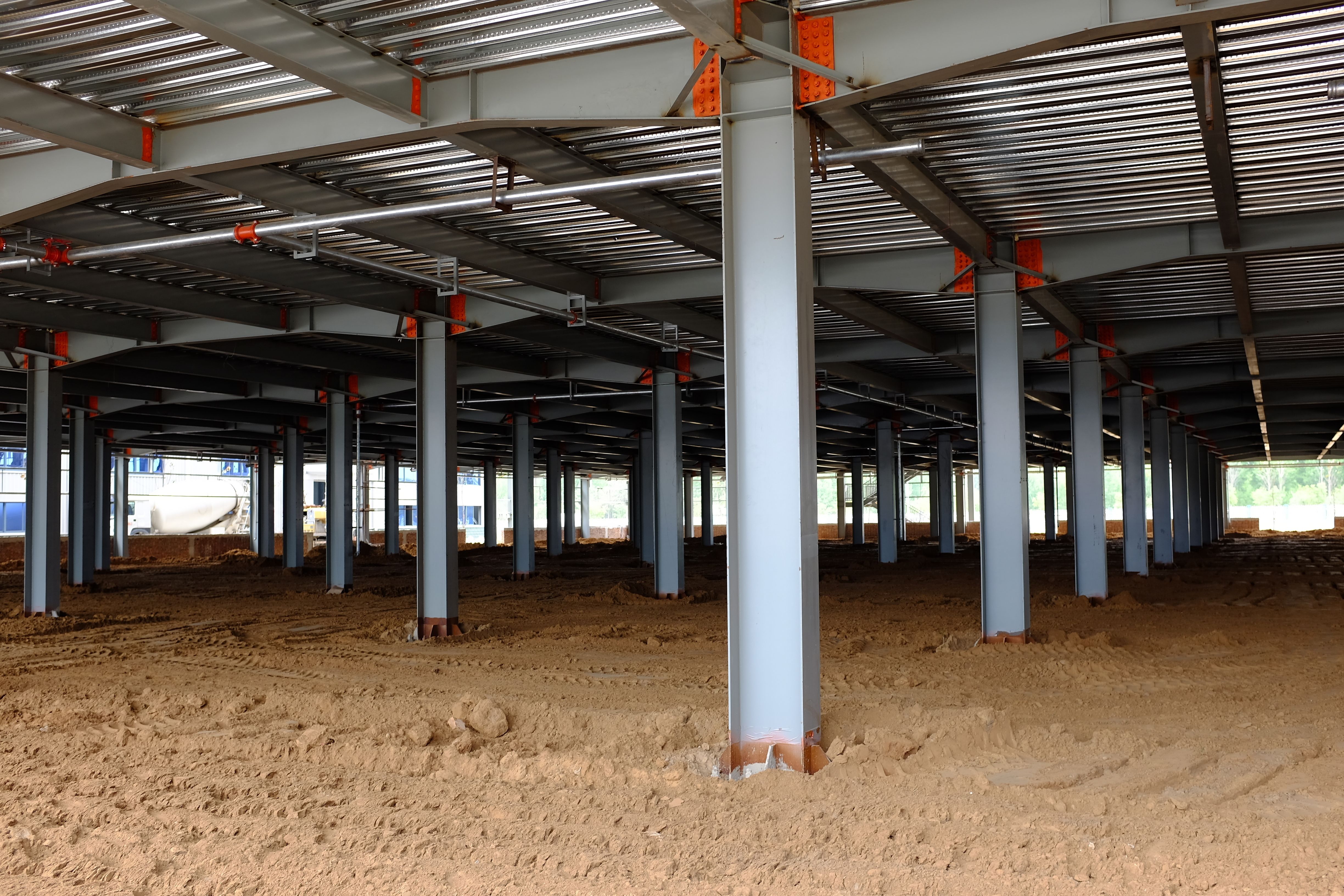
Structural steel framing uses hot-rolled steel sections such as I-beams, H-sections, channels, and hollow sections. These members are designed to carry heavy loads and long spans, making them ideal for commercial buildings, industrial facilities, bridges, and high-rise structures. Structural steel frames are typically assembled on-site using bolted or welded connections.
Light Gauge Steel Framing
Light gauge steel framing uses cold-formed thin steel sections, such as C-studs and U-tracks. These systems are lightweight yet strong and are commonly used for wall panels, floors, and roof framing in residential buildings, schools, and modular construction. Light gauge steel framing is particularly valued for its speed of installation and dimensional accuracy.
Key Components of a Steel Framing System
Columns and Studs
Columns (in structural steel) and studs (in light gauge systems) are vertical members that carry axial loads. They transfer loads from floors and roofs down to the foundation. Their design must account for strength, buckling resistance, and alignment.
Beams and Joists
Beams and joists are horizontal members that support floors and roofs. Steel beams are especially effective for long spans, reducing the need for intermediate supports and allowing open-plan interiors. In light gauge systems, joists are closely spaced to distribute loads efficiently.
Bracing and Lateral Systems
Steel framing systems require effective lateral load-resisting mechanisms to withstand wind and seismic forces. These may include diagonal bracing, shear walls, rigid frames, or a combination of systems. Proper bracing ensures stability and minimizes building sway.
Connections
Connections are critical to the performance of steel framing systems. They can be bolted, welded, or screwed, depending on the system and application. Well-designed connections ensure efficient load transfer and structural integrity while accommodating construction tolerances.
Floor and Roof Assemblies
Steel framing often works in combination with concrete slabs, metal decking, or sheathing boards. Composite floor systems, where steel beams act together with concrete slabs, are commonly used to improve strength and stiffness.
Design Principles of Steel Framing Systems
The design of steel framing systems follows established engineering standards and building codes to ensure safety, serviceability, and durability.
Load Assessment
Engineers evaluate all loads acting on the structure, including dead loads, live loads, wind loads, snow loads, and seismic forces. These loads are combined according to code-prescribed combinations to determine critical design cases.
Strength and Serviceability
Steel members must have adequate strength to resist applied forces without failure. Serviceability requirements, such as limits on deflection and vibration, are equally important to ensure comfort and protect non-structural elements.
Fire and Corrosion Protection
Steel is non-combustible, but its strength reduces at high temperatures. Fire protection measures such as intumescent coatings, fire-rated boards, or concrete encasement are often required. Corrosion protection, through painting or galvanization, is essential in aggressive environments.
Sustainability Considerations
Steel framing systems align well with sustainable construction goals. Steel is recyclable, reusable, and can be fabricated with minimal waste. Efficient design and prefabrication further reduce environmental impact.
Construction Process of Steel Framing Systems
One of the major advantages of steel framing systems is the efficiency of the construction process.
Fabrication
Steel components are manufactured in factories using automated processes, ensuring high precision and consistent quality. Prefabrication allows components to be delivered ready for installation, reducing on-site labor and waste.
Transportation and Assembly
Fabricated components are transported to the site and assembled according to detailed erection plans. Structural steel members are lifted into place using cranes, while light gauge steel components are often installed manually or with light equipment.
Erection and Installation
Erection typically starts with vertical members, followed by horizontal members and bracing. Temporary supports may be used until the frame is fully stable. Once erected, floors, walls, and roofing systems are installed.
Integration with Other Trades
Steel framing systems provide a clear and organized structure for integrating mechanical, electrical, and plumbing services. Open web steel joists and pre-punched studs make service installation more efficient.
Advantages of Steel Framing Systems
Steel framing systems offer numerous benefits that make them a preferred choice in modern construction:
- High Strength-to-Weight Ratio: Steel can carry heavy loads with relatively low self-weight.
- Speed of Construction: Prefabrication and rapid assembly reduce project timelines.
- Dimensional Accuracy: Factory manufacturing ensures precise alignment and quality.
- Design Flexibility: Long spans and adaptable layouts support architectural creativity.
- Durability: Steel resists pests, rot, and shrinkage, ensuring long service life.
- Sustainability: Steel is recyclable and supports environmentally responsible construction.
Challenges and Limitations
Despite their advantages, steel framing systems also face certain challenges:
- Fire Protection Costs: Additional measures are required to maintain strength during fire exposure.
- Corrosion Risk: In humid or coastal environments, proper protection and maintenance are essential.
- Thermal Bridging: Steel conducts heat, requiring careful insulation design to maintain energy efficiency.
Applications of Steel Framing Systems
Steel framing systems are used in a wide range of applications, including residential housing, commercial buildings, schools, hospitals, industrial plants, warehouses, and modular construction. Their versatility makes them suitable for both small-scale projects and large, complex structures.
Conclusion
The steel framing system is a cornerstone of modern construction, offering unmatched strength, efficiency, and adaptability. Whether used in high-rise commercial buildings or lightweight residential structures, steel framing provides reliable performance and long-term value. While considerations such as fire protection, corrosion control, and thermal performance must be carefully managed, the overall advantages of steel framing systems make them an increasingly popular choice. As construction technology continues to advance and sustainability becomes a greater priority, steel framing systems will remain a vital solution for building safe, durable, and future-ready structures.