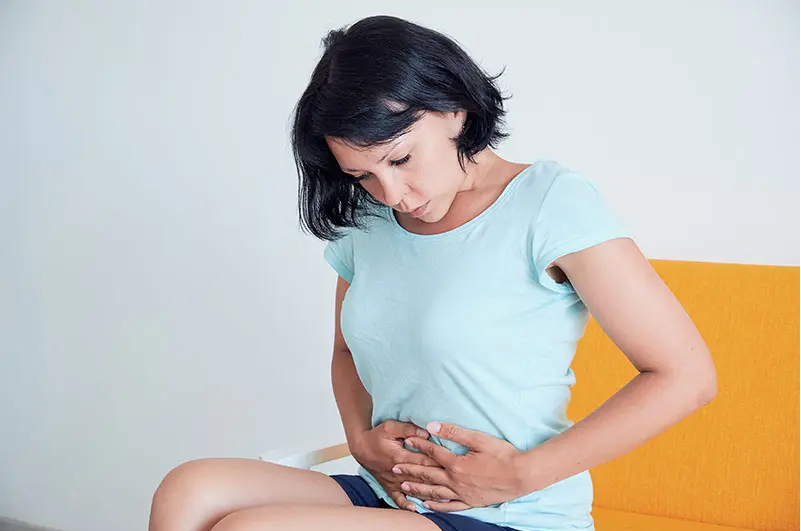
Gallbladder stones, also known as gallstones, are a common digestive issue that can cause severe discomfort and serious health complications if left untreated. They form when substances in bile — such as cholesterol or bilirubin — harden into small, pebble-like deposits within the gallbladder. While some people experience no symptoms at all, others may suffer from intense abdominal pain, nausea, or digestive problems.
Thankfully, modern medicine offers several effective methods for Gallblader stone removal, ranging from minimally invasive procedures to surgery. Understanding how gallstones develop, their symptoms, and available treatments can help you make informed decisions about your health.
What Is the Gallbladder and Why Do Stones Form?
The gallbladder is a small, pear-shaped organ located beneath your liver. Its main function is to store and release bile — a digestive fluid that helps break down fats. When you eat, the gallbladder contracts and releases bile into the small intestine through the bile ducts.
Gallstones develop when there’s an imbalance in the substances that make up bile. The most common causes include:
- Excess cholesterol in bile: When bile contains too much cholesterol, it can crystallize and form stones.
- Bile concentration: If the gallbladder doesn’t empty completely or often enough, bile becomes concentrated, increasing the risk of stone formation.
- Excess bilirubin: Certain conditions, such as liver disease or infections, can cause excess bilirubin production, which contributes to gallstone formation.
Gallstones can vary in size — from a grain of sand to as large as a golf ball. Some people develop just one, while others may have several.
Common Symptoms of Gallstones
Many people with gallstones don’t experience symptoms. These “silent gallstones” are often discovered accidentally during imaging tests for other conditions. However, when a gallstone blocks a bile duct, it can cause a gallbladder attack — a sudden and intense pain in the upper right abdomen.
Typical Symptoms Include:
- Sharp pain in the upper right or middle abdomen, often after eating fatty foods
- Nausea and vomiting
- Indigestion, bloating, or gas
- Back pain between the shoulder blades
- Pain in the right shoulder
- Fever and chills (in case of infection)
- Jaundice (yellowing of skin and eyes due to blocked bile ducts)
If you experience severe abdominal pain that lasts for more than a few hours, you should seek medical attention immediately.
Diagnosing Gallstones
Your doctor may use a combination of physical examinations, imaging tests, and lab work to diagnose gallstones.
Common Diagnostic Methods Include:
- Ultrasound: The most common and noninvasive test to visualize gallstones.
- CT Scan or MRI: Provides detailed images of the gallbladder and bile ducts.
- HIDA Scan: Tracks the flow of bile to detect blockages or inflammation.
- Endoscopic Ultrasound (EUS): Used when stones are suspected in the bile ducts.
- Blood Tests: Helps detect infection, jaundice, or pancreatic involvement.
Once diagnosed, your doctor will determine the most suitable treatment based on the size, number, and location of the gallstones — as well as your overall health condition.
Treatment Options for Gallbladder Stone Removal
There are several approaches to gallbladder stone removal, depending on whether the stones are causing symptoms or complications.
1. Watchful Waiting (For Asymptomatic Gallstones)
If your gallstones aren’t causing any discomfort or complications, your doctor may recommend a “wait and see” approach. Many people live their entire lives with silent gallstones without needing treatment.
Regular check-ups and lifestyle modifications, such as maintaining a healthy diet and weight, can help prevent flare-ups.
2. Medications (Non-Surgical Option)
Certain medications can help dissolve cholesterol-based gallstones over time. Drugs such as ursodeoxycholic acid (UDCA) or chenodeoxycholic acid work by breaking down cholesterol in bile.
However, this method:
- Works only for small, non-calcified stones
- Can take months or even years to be effective
- May cause stones to recur once medication stops
For these reasons, drug therapy is typically reserved for patients who cannot undergo surgery.
3. Non-Surgical Procedures (ERCP)
If gallstones move into the bile ducts, a procedure called Endoscopic Retrograde Cholangiopancreatography (ERCP) may be performed.
During ERCP, a flexible tube with a camera is inserted through the mouth and into the small intestine. Special instruments are used to locate and remove the stones blocking the bile ducts.
ERCP is both diagnostic and therapeutic — it not only detects stones but can remove them without open surgery.
4. Shock Wave Therapy (Lithotripsy)
In rare cases, doctors use extracorporeal shock wave lithotripsy (ESWL) to break gallstones into smaller pieces, allowing them to pass naturally.
This non-invasive method is generally reserved for patients who have a few small stones and a functioning gallbladder.
5. Gallbladder Removal Surgery (Cholecystectomy)
For most patients with symptomatic gallstones, surgery is the most effective and permanent solution.
There are two main types of gallbladder surgery:
a. Laparoscopic Cholecystectomy (Keyhole Surgery)
This is the most common procedure for gallbladder removal. Small incisions are made in the abdomen to insert a camera and surgical tools. The gallbladder is then removed through one of the small openings.
Advantages include:
- Minimal pain and scarring
- Shorter recovery time (patients often return home the same day)
- Lower risk of infection
b. Open Cholecystectomy
In cases of severe infection, inflammation, or complicated anatomy, open surgery may be necessary. This involves a larger incision in the abdomen, and recovery typically takes longer.
After gallbladder removal, bile flows directly from the liver into the small intestine. Most people can live normally without a gallbladder, though some may experience mild changes in digestion.
Recovery and Aftercare
Recovery from laparoscopic gallbladder stone removal usually takes one to two weeks, while open surgery may require four to six weeks.
Aftercare Tips:
- Eat smaller, low-fat meals to help your digestive system adjust.
- Stay hydrated and include fiber-rich foods to prevent constipation.
- Avoid heavy lifting or strenuous activity for a few weeks.
- Follow up with your doctor for post-surgery check-ups.
Most patients experience complete relief from gallstone symptoms after surgery.
Preventing Gallstones
While not all gallstones can be prevented, adopting a healthy lifestyle significantly reduces your risk.
- Maintain a healthy weight: Obesity is a major risk factor.
- Eat a balanced diet: Focus on fiber-rich foods, healthy fats, and avoid excessive fried or processed foods.
- Exercise regularly: Improves digestion and bile flow.
- Avoid rapid weight loss: Extreme dieting can disrupt bile balance.
Conclusion
Gallstones are a common but treatable condition. While mild cases can be managed with diet and medication, symptomatic gallstones often require gallbladder stone removal to prevent complications such as infection or bile duct obstruction.
Thanks to advances in medical technology, procedures like laparoscopic cholecystectomy and ERCP offer safe, effective, and minimally invasive solutions.
If you experience persistent abdominal pain, nausea, or digestive discomfort, don’t ignore the signs — consult a healthcare professional for proper diagnosis and treatment. Timely gallbladder stone removal not only relieves pain but also protects your long-term digestive health.