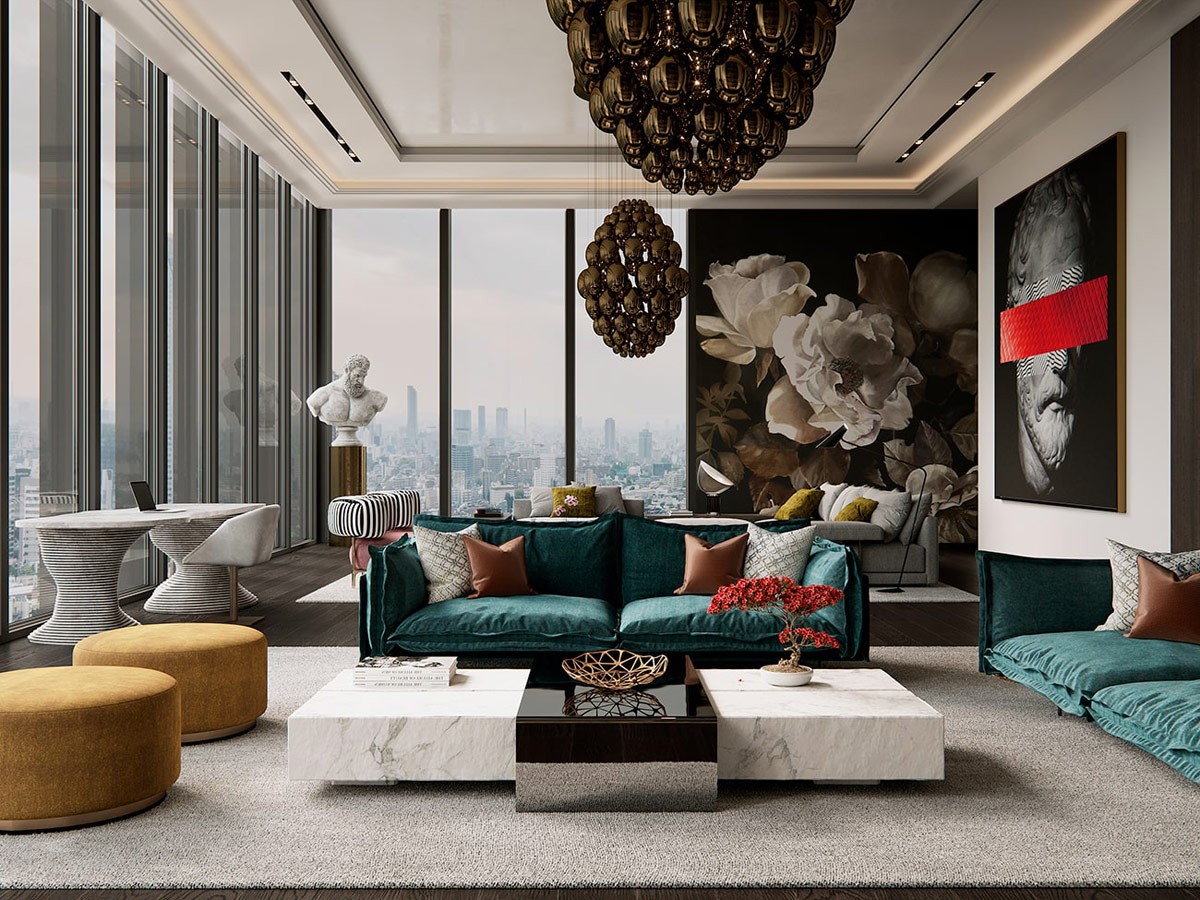
Urban art has evolved from a movement associated primarily with city streets into an influential part of contemporary culture, design, and interior decoration. Graffiti, street art, murals, and graphic illustrations have inspired artists, designers, collectors, and homeowners who appreciate bold visual expression. These styles introduce energy, individuality, and a distinctive atmosphere into modern living spaces.
For people who enjoy expressive artwork and unconventional design, urban art provides an opportunity to create interiors that feel less traditional and more connected to contemporary culture. Kunstplaza.de explores creative subjects, art trends, interior design, and visual inspiration for people who appreciate artistic expression.
Understanding Graffiti and Street Art
Graffiti is often associated with lettering, signatures, colorful compositions, and creative expressions found in urban environments. Over time, graffiti culture has influenced graphic design, fashion, advertising, and contemporary art.
Street art is a broader term that includes murals, stencil art, illustrations, installations, and other visual works created in public environments. While graffiti frequently emphasizes lettering and personal style, street art may communicate ideas through characters, imagery, storytelling, and social commentary.
Both forms are recognized for their creativity, experimentation, and ability to transform ordinary surroundings. Their influence can be seen in posters, canvas prints, decorative panels, textiles, and modern home accessories.
Bringing Urban Art Into Your Home
Urban art can become an interesting focal point within a home. Instead of using traditional landscapes or minimalist illustrations, homeowners may choose bold graphics, colorful designs, abstract lettering, or expressive images.
Living rooms are particularly suitable for statement artwork. A large print above a sofa can introduce strong colors and create a visual centerpiece. Smaller urban-inspired prints may work well in hallways, offices, or entertainment areas.
Bedrooms can also incorporate urban art, although the artwork should reflect the atmosphere the homeowner wants to create. Some people prefer energetic graphics, while others choose muted tones and simplified compositions inspired by city architecture.
When selecting artwork, consider the relationship between the colors in the piece and the surrounding furniture. A strong artwork can work particularly well against a neutral wall, allowing its visual details to stand out.
The Appeal of Urban Art
One of the defining qualities of urban art is its individuality. Many street-inspired designs communicate a sense of independence, creativity, and experimentation.
Urban art can also reflect cultural influences, music, architecture, community experiences, and changing social ideas. This variety makes it an interesting subject for people who enjoy artwork with character and visual depth.
Unlike decorative styles that focus primarily on symmetry or subtle color combinations, urban art often embraces contrast and unexpected elements. This approach can help create interiors that feel personal rather than overly staged.
Combining Street Art With Interior Design
Although urban artwork can be visually strong, it does not need to dominate an entire room. Combining street art with carefully selected furniture, lighting, and accessories can create a balanced environment.
Industrial-style interiors often complement urban art naturally. Materials such as metal, concrete-inspired finishes, exposed brick, and darker wood can reinforce the visual character of street-inspired decoration.
Modern minimalist spaces can also benefit from urban artwork. A single expressive print against a clean background creates contrast and allows the artwork to become the main feature.
For a more eclectic appearance, urban art can be combined with vintage furniture, colorful textiles, or decorative accessories. The key is to maintain a sense of balance so that different elements support rather than compete with one another.
Urban Art Beyond Traditional Wall Prints
Urban-inspired decoration is not limited to framed artwork. Metal art, decorative panels, cushions, posters, textiles, and other objects can introduce street-inspired themes into different rooms.
Metal artwork offers a distinctive alternative to conventional prints. Its material and surface qualities can create interesting effects depending on the surrounding lighting.
Textile decorations may incorporate graphic patterns, abstract imagery, or colors associated with street culture. These items can add visual interest while making a room feel more comfortable.
Decorative objects inspired by graffiti and urban design can also work well in creative studios, gaming rooms, home offices, and entertainment spaces.
Finding Inspiration for Urban Decor
People looking for urban art ideas can explore different artistic movements and visual influences. Contemporary illustration, mural design, graffiti lettering, photography, and architectural imagery all provide inspiration.
Kunstplaza.de features topics related to art, creative lifestyles, interior design, and modern decor. Exploring these themes can help readers discover new ideas for combining artwork with furniture, colors, and accessories.
It can also be helpful to collect inspiration before decorating. Saving images, noting favorite colors, and identifying recurring patterns can make room planning easier.
Conclusion
Graffiti, street art, and urban art offer creative ways to bring individuality and expressive design into modern interiors. Their bold colors, graphic details, and cultural influences can transform ordinary walls into visually interesting features.
Whether used through statement prints, metal artwork, decorative accessories, or subtle graphic details, urban art can complement many interior styles. With thoughtful selection and balanced room planning, street-inspired decoration can help create a home that reflects creativity, personal interests, and contemporary artistic influences.