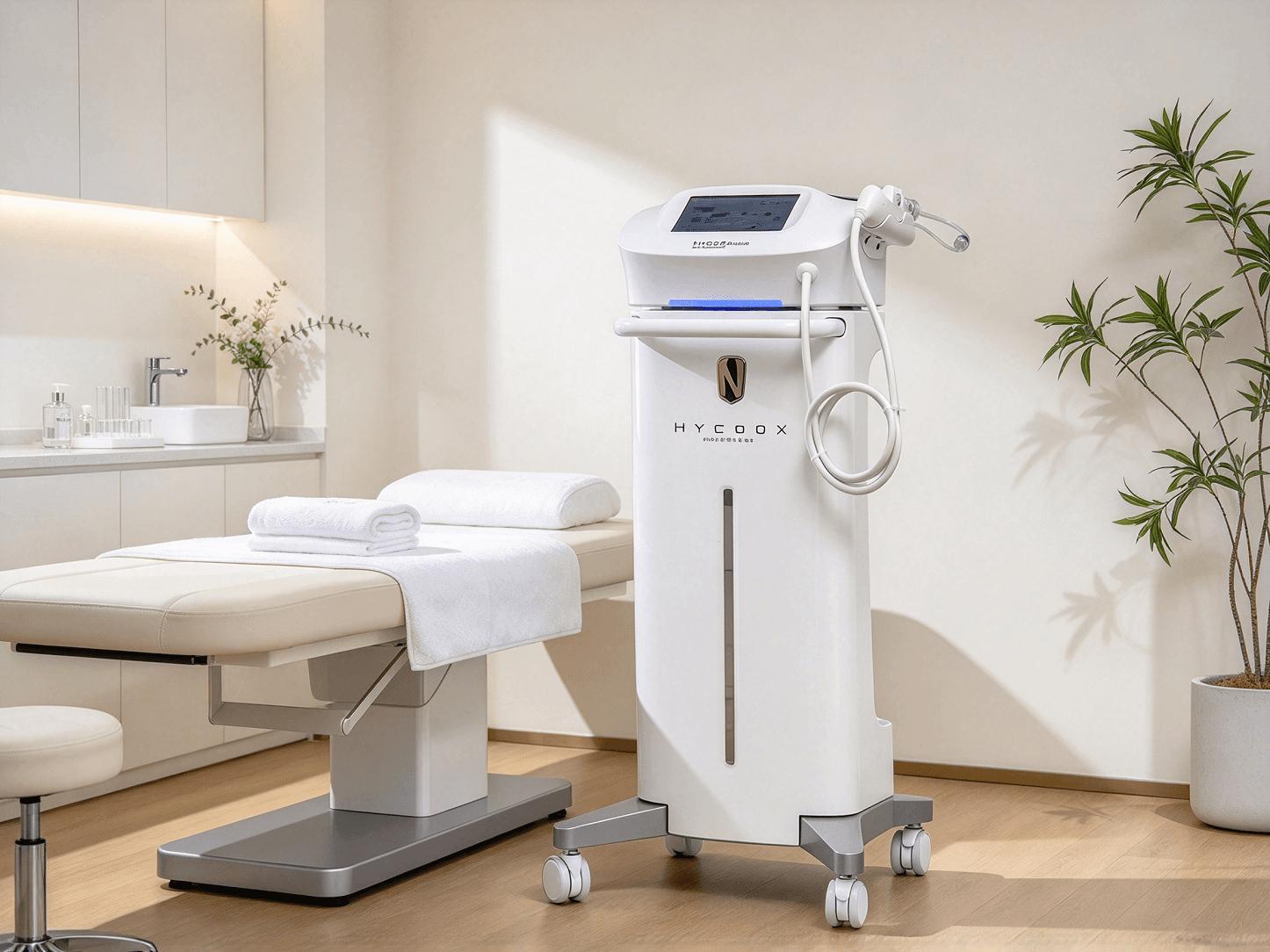
Medical aesthetics and professional skincare environments depend on appropriate equipment, controlled working conditions, and clear safety procedures. Equipment quality is important because poorly maintained or unsuitable devices can create risks for patients, practitioners, and healthcare facilities.
Understanding professional aesthetic equipment Derma Shine standards involves more than reviewing product specifications. It includes regulatory compliance, manufacturer documentation, maintenance, staff competency, and the suitability of equipment for its intended purpose.
Understanding Professional Aesthetic Equipment
Professional aesthetic environments may use different types of equipment depending on the services offered. Some devices are intended for general cosmetic or skincare applications, while others may be classified as medical devices.
These categories can have different regulatory requirements. A device’s appearance, marketing description, or advertised technology does not automatically establish its legal classification.
Before equipment is considered for a professional environment, its intended purpose and applicable regulatory status should be clearly established.
Why Regulatory Compliance Matters
Regulatory requirements help establish minimum expectations for products entering a market. Depending on the jurisdiction and equipment category, these requirements may address safety, performance, manufacturing quality, labeling, and documentation.
In Malaysia, the Medical Device Authority oversees medical devices under the Medical Device Act 2012. Its public registration system allows interested parties to check the status of registered devices and licensed establishments.
Businesses should not assume that a product is compliant simply because it is sold by an online retailer or advertised through a professional-looking website.
Manufacturer Documentation
Reliable documentation is an important part of equipment evaluation.
Manufacturer information should identify the product, its intended purpose, technical specifications, and relevant operating limitations. Depending on the device, documentation may also include safety warnings, maintenance requirements, and information about compatible accessories.
Clear documentation helps professional organizations understand whether a device is suitable for the environment in which it will be used.
Equipment supplied without reliable manufacturer information should be treated cautiously. Missing documentation can make it difficult to establish product identity, verify compliance, or arrange appropriate servicing.
Equipment Quality and Manufacturing Controls
Quality equipment depends on controlled manufacturing processes. Manufacturers may use quality management systems to maintain consistency and document how products are designed, produced, inspected, and released.
Relevant considerations can include electrical safety, material quality, mechanical reliability, software integrity, and performance testing, depending on the equipment category.
A quality management certificate should be interpreted in context. It does not necessarily mean that every individual device has been independently approved for every intended use.
Professional buyers should verify the scope of any claimed certification and consult official regulatory information where necessary.
Maintenance and Equipment Reliability
Even appropriately manufactured equipment requires maintenance. Over time, components may wear, software may need updates, and performance may require verification.
Professional facilities should maintain equipment records that identify the device, manufacturer, model, service history, and maintenance status.
Maintenance should follow the manufacturer’s documentation and relevant regulatory requirements. Organizations should also establish a process for removing equipment from service when a fault or safety concern is identified.
Keeping accurate records supports accountability and helps ensure that equipment remains appropriately managed.
Staff Training and Competency
Equipment safety depends partly on the people responsible for managing it.
Staff should understand the equipment’s intended purpose, limitations, documentation, and relevant safety requirements. Training should be appropriate to their professional responsibilities.
In medical aesthetic settings, equipment-related activities must remain within the practitioner’s authorized professional scope. Technical familiarity with a device does not independently qualify someone to provide a medical procedure.
Facilities should maintain appropriate training records and ensure that responsibilities are clearly assigned.
Infection Prevention and Hygiene
Hygiene requirements depend on the type of equipment and the environment in which it is used.
Professional facilities should establish documented cleaning and infection-prevention policies. These policies should follow manufacturer instructions and applicable healthcare standards.
Equipment should be maintained in a condition suitable for its intended environment. Where a device or accessory has specific cleaning, disinfection, or sterilization requirements, those requirements should be addressed through qualified procedures.
Facilities should not rely on assumptions about hygiene compatibility.
Evaluating Suppliers and Service Providers
A responsible supplier should provide clear product information and explain relevant compliance documentation.
Professional organizations should consider the supplier’s authorization, manufacturer relationships, warranty arrangements, service support, and ability to provide appropriate technical information.
After-sales support is also important. Equipment may require servicing, software support, replacement components, or technical assistance over its working life.
The cheapest option is not necessarily the most suitable. Product reliability, regulatory compliance, and ongoing support should all be considered.
Building a Safety-Focused Workplace
A professional environment should have clear procedures for equipment inspection, documentation, maintenance, and reporting problems.
Staff should know how to report faults and who is responsible for reviewing safety concerns. Equipment records should be kept current and accessible to authorized personnel.
Management should also review whether each device remains suitable for the services offered and whether staff have the necessary qualifications for their responsibilities.
Conclusion
Professional aesthetic equipment standards involve regulatory compliance, manufacturer documentation, manufacturing quality, maintenance, staff competency, and hygiene management.
A responsible organization evaluates equipment according to its intended purpose and verifies relevant information before accepting it into a professional environment. A safety-focused approach supports transparency, reliability, and responsible professional practice.