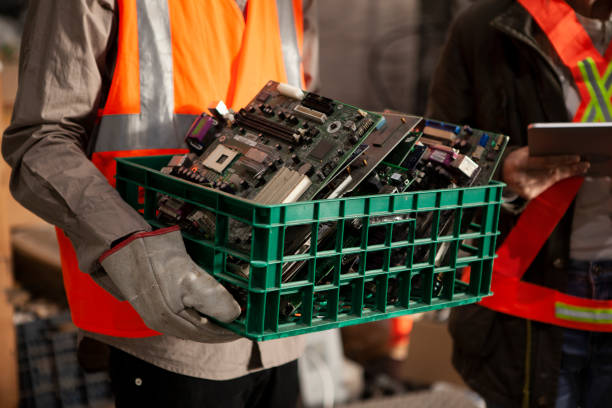
Electronic devices have become an essential part of modern life. Smartphones, computers, televisions, printers, refrigerators, and other electrical appliances help people communicate, work, study, and manage everyday activities. However, as technology continues to develop, older devices are frequently replaced with newer models. This creates a growing volume of electronic waste that requires responsible handling. Effective E waste management is essential for reducing environmental pollution, recovering valuable materials, and supporting a more sustainable future.
India’s expanding technology sector and increasing consumption of electronic products make responsible disposal particularly important. Businesses, households, manufacturers, and recycling organizations all have a role to play in ensuring that discarded electronics are managed safely.
Understanding Electronic Waste
Electronic waste, commonly called e-waste, includes discarded electrical and electronic equipment and their components. Examples include computers, laptops, mobile phones, batteries, circuit boards, televisions, cables, and household appliances.
These products contain materials such as copper, aluminum, iron, plastics, and certain precious metals. Some electronic components may also contain hazardous substances that require controlled handling.
When discarded electronics are mixed with ordinary household waste, valuable materials can be lost and harmful substances may enter the surrounding environment through improper processing.
Responsible disposal allows useful components to be recovered while reducing the risks associated with unsafe dismantling and treatment.
Why E Waste Management Is Important
Proper electronic waste management provides several environmental and economic benefits.
First, it reduces the amount of electronic waste sent to uncontrolled disposal sites. Second, it supports the recovery of reusable materials that can be returned to manufacturing supply chains. Third, it encourages businesses and consumers to take greater responsibility for the products they use.
A structured recycling process can also create employment opportunities in collection, transportation, sorting, refurbishment, dismantling, and material recovery.
As awareness increases, more consumers are looking for responsible ways to dispose of outdated devices. This creates an important role for professional recycling organizations.
The Role of E Waste Management Companies in India
Professional E waste management companies in India help collect, process, recycle, and manage discarded electronic equipment. Their services may support households, offices, educational institutions, manufacturers, retailers, and large organizations.
Depending on their capabilities and authorizations, these companies may provide collection programs, asset assessment, secure data destruction, refurbishment, dismantling, and recycling.
Businesses should select service providers carefully. It is important to verify applicable registrations and authorizations, understand the treatment process, and request appropriate documentation.
Organizations should also determine whether the provider works with authorized downstream recyclers and follows applicable environmental requirements.
What Makes the Best E Waste Management Companies in India?
Choosing among the Best E waste management companies in India requires more than comparing collection charges. Businesses should evaluate the complete service process.
Important factors include:
- Regulatory compliance: Check relevant registrations, authorizations, and applicable environmental requirements.
- Collection capabilities: Confirm whether the provider can collect waste from the required locations.
- Recycling processes: Understand how equipment is sorted, dismantled, and processed.
- Data security: Ask how information stored on computers, phones, and storage devices is protected.
- Documentation: Request collection records, certificates, and other relevant evidence.
- Transparency: Choose a provider that explains its processes and downstream handling arrangements.
The most suitable provider is one whose services match the organization’s waste volume, equipment types, locations, and compliance responsibilities.
E Waste Recycling and Resource Recovery
E waste recycling is an important part of the circular economy. Instead of treating old electronics as useless waste, recycling processes recover materials that may be used again.
The process generally begins with collection and sorting. Equipment is inspected to determine whether it can be repaired, refurbished, reused, or sent for material recovery.
Devices that cannot be reused may undergo controlled dismantling. Components are separated according to their material types and processing requirements. Specialized recycling facilities then recover suitable metals, plastics, and other materials.
Responsible recycling helps reduce the need for extracting additional raw materials and supports more efficient resource utilization.
Protecting Data Before Disposing of Electronics
Electronic waste management is not only an environmental concern. It also involves protecting confidential information.
Computers, laptops, smartphones, servers, and storage devices may contain customer records, financial information, business documents, passwords, and personal files.
Before equipment leaves an organization, businesses should establish a secure data disposal procedure. This may involve approved data sanitization methods, physical destruction of storage media where appropriate, and verification of completed work.
Organizations should request documentation describing the data destruction process and maintain records for internal audits.
Simply deleting files or formatting a device may not provide sufficient protection for sensitive information.
Corporate Responsibility and Electronic Waste
Businesses generate electronic waste through regular equipment upgrades, office relocations, technology replacement, and infrastructure modernization.
A corporate e-waste policy can establish how equipment is identified, stored, collected, and transferred to authorized service providers.
Companies should maintain an inventory of discarded devices and define responsibilities for employees involved in disposal. This helps reduce the risk of equipment being abandoned, sold through unsuitable channels, or handled without proper records.
Manufacturers and other obligated entities should also understand their responsibilities under applicable Indian e-waste regulations, including Extended Producer Responsibility requirements where relevant.
Building a More Sustainable Future
Consumers can contribute by keeping electronics in use for longer when practical, repairing suitable devices, donating working equipment through responsible channels, and avoiding informal disposal practices.
Organizations can support sustainability by establishing collection arrangements and working with qualified recycling partners.
Public awareness is equally important. People should know that old electronic devices should not automatically be placed in ordinary household waste. Appropriate collection and recycling channels provide a safer alternative.
Conclusion
Responsible E waste management is essential for protecting natural resources, reducing pollution risks, and supporting sustainable development. As electronic consumption continues to increase, households and businesses need reliable ways to collect and process discarded equipment.
Professional E waste management companies in India can support this effort through collection, refurbishment, secure data destruction, and authorized recycling services. By choosing responsible service providers and prioritizing E waste recycling, organizations can reduce waste, recover valuable resources, and contribute to a cleaner environment.