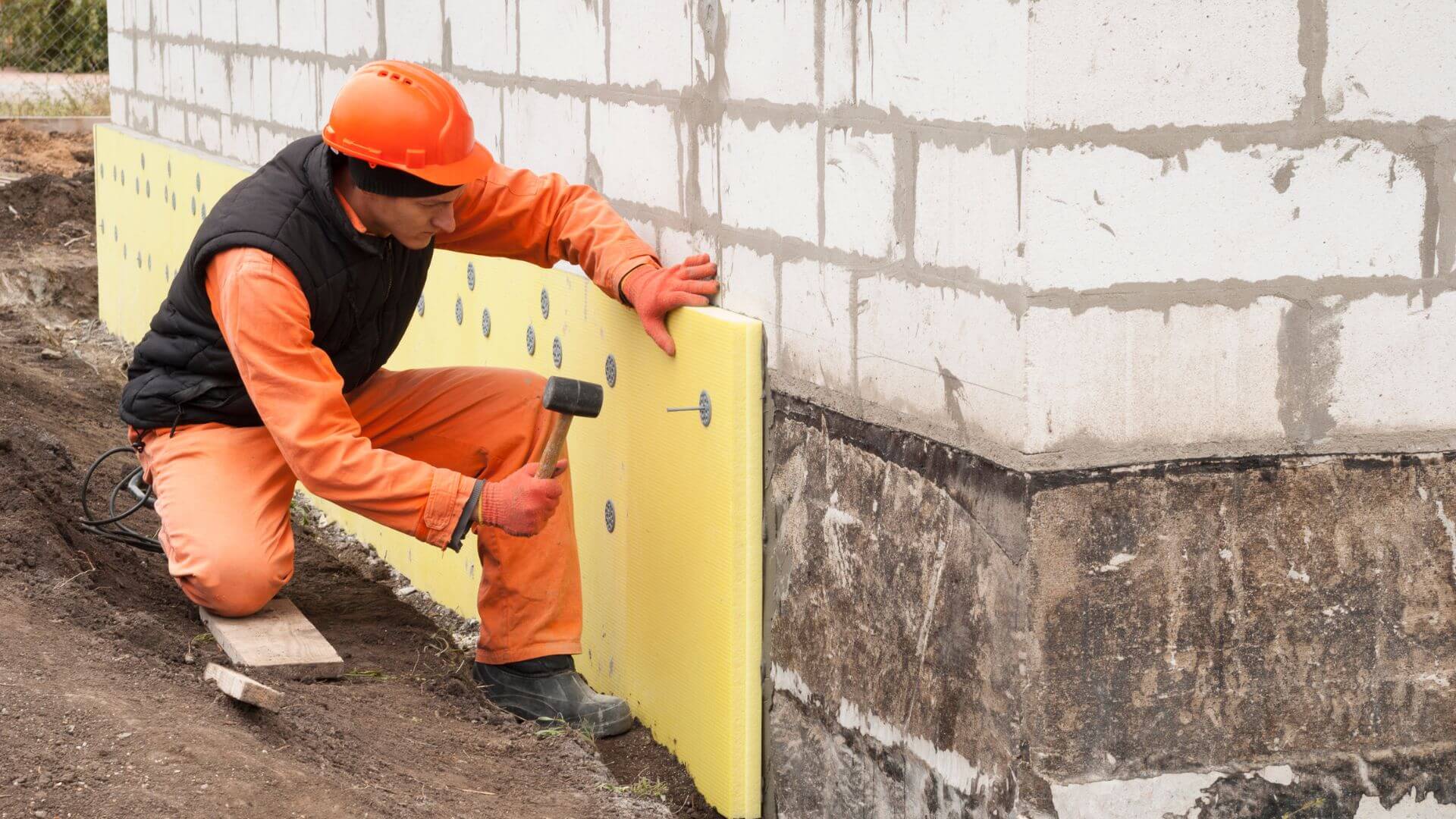
A strong foundation is essential to the safety, stability, and long-term performance of any building. It supports the structure’s weight, distributes loads into the ground, and helps maintain the alignment of walls, floors, and other structural components. When foundation problems develop, homeowners may notice cracks, uneven floors, sticking doors, or water intrusion. Working with experienced foundation experts can help property owners understand these warning signs and determine the most appropriate steps to protect their investment.
Foundation problems can arise from several causes, including soil settlement, moisture changes, poor drainage, construction defects, and deteriorating materials. Because different conditions can produce similar symptoms, a reliable assessment is more valuable than immediately choosing a repair method. Qualified professionals evaluate the building’s condition, investigate contributing factors, and recommend solutions based on the evidence.
Understanding Common Foundation Problems
Foundation damage can appear in many forms. Cracks may develop in concrete walls, masonry, or interior drywall. Floors can become uneven, doors may no longer close properly, and gaps can appear around windows or between building materials. Outside the property, homeowners might observe separated masonry joints, standing water, or visible changes in foundation walls.
Not every crack indicates a serious structural concern. Some cracks develop as materials cure or respond to ordinary environmental changes. Other patterns may indicate settlement or continuing movement, especially when cracks widen or occur alongside additional symptoms.
Foundation experts consider the location, size, direction, and progression of damage when evaluating a property. They may also ask when the symptoms first appeared and whether the building has experienced flooding, plumbing leaks, or nearby construction activity. This information helps establish whether further investigation is necessary.
Why Soil Conditions Matter
The ground beneath a building plays a major role in foundation performance. Soil must provide adequate support for the loads transferred through the foundation. If soil compresses unevenly, different sections of the structure may settle by different amounts.
Some soils expand when wet and shrink when dry. These changes can affect foundation support, particularly when moisture conditions vary across the property. Poor surface drainage, damaged gutters, leaking underground pipes, and prolonged drought can contribute to uneven soil moisture.
In certain situations, additional investigation may be necessary to understand the soil’s behavior. A geotechnical professional can assess relevant ground conditions, while a structural engineer can evaluate how the building has responded to movement. Coordinating these assessments can help ensure that the selected repair addresses the actual problem.
What a Professional Inspection Includes
A foundation inspection typically begins with a review of visible symptoms and the property’s history. The professional may examine foundation walls, accessible crawl spaces, basement areas, floor levels, and exterior drainage. Measurements can help identify unevenness and establish a reference point for future monitoring.
The inspection should distinguish between observed facts and possible explanations. For example, an uneven floor could result from foundation settlement, damaged floor framing, or another building condition. Each possibility requires a different response.
If the problem is complex, the foundation professional may recommend an engineering assessment, plumbing investigation, or additional testing. Homeowners should be cautious of recommendations for extensive repairs when the contractor has not explained the evidence supporting the proposed solution.
Selecting the Right Foundation Repair Method
Foundation repair is not a one-size-fits-all process. Underpinning may be considered when a foundation requires additional support. Selected concrete slabs may be suitable for specialized lifting or stabilization methods, while certain cracks may require localized repair after their cause has been assessed.
Foundation walls experiencing lateral movement may need reinforcement or other structural measures. Properties affected by water intrusion may also require drainage improvements, waterproofing, or plumbing repairs.
The appropriate method depends on the type of foundation, the extent of damage, the surrounding soil, and the building’s structural requirements. A qualified professional should explain why the proposed solution is suitable and whether it is intended to stabilize movement, correct a specific defect, or improve water management.
Evaluating Experience and Qualifications
When choosing foundation experts, homeowners should verify relevant licenses where required, insurance coverage, experience, and references. Ask whether the company has handled projects involving similar foundation types and damage patterns.
A detailed written estimate should describe the work, materials, schedule, price, and exclusions. It should also explain whether engineering documents, permits, inspections, or restoration work are required.
Customer reviews can provide insight into communication, workmanship, scheduling, and warranty support. However, homeowners should look beyond advertising claims and ask direct questions about the proposed repair. A reliable professional should explain technical issues in understandable language and acknowledge limitations where appropriate.
Understanding Costs and Warranties
Foundation repair costs depend on the extent of damage, accessibility, repair method, labor, materials, and any required engineering or permits. Additional expenses may arise from excavation, drainage improvements, plumbing repairs, or restoration of landscaping and interior finishes.
Comparing multiple estimates can help homeowners understand the available options. Each estimate should cover a comparable scope of work so that differences in price can be evaluated fairly.
Warranty conditions deserve equal attention. Some warranties cover workmanship or specified materials, while others apply to particular repair systems under defined conditions. Homeowners should review exclusions, maintenance obligations, transferability, and procedures for requesting service.
Maintaining Foundation Stability
Preventive maintenance can help reduce avoidable moisture-related problems. Keep gutters clear, direct downspouts away from the building where appropriate, maintain suitable surface grading, and repair leaking pipes promptly.
Inspect visible foundation areas periodically and document changes with photographs. Retain inspection reports, repair invoices, and warranty information for future reference. If previously repaired areas begin to change, seek professional advice rather than relying only on cosmetic patching.
Conclusion
Foundation experts help property owners understand the causes of foundation damage and evaluate suitable repair options. Their value lies not simply in performing repairs but in assessing the structure, explaining the findings, and recommending work appropriate to the property’s needs.
By choosing qualified professionals, reviewing detailed proposals, and maintaining effective drainage, property owners can make informed decisions about foundation care. A well-planned approach supports the long-term stability, usability, and value of a building.